A Designer's Take on the Turkey Travel T-Shirt Embroidery Design
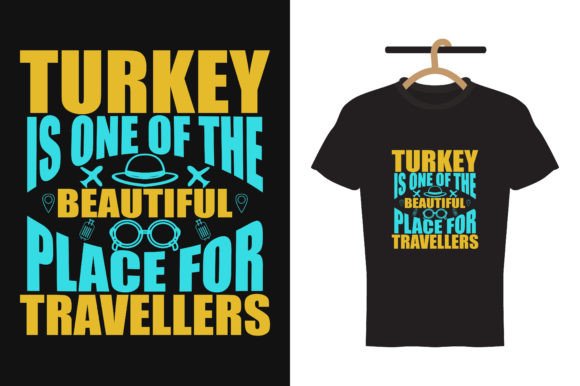
When you’re looking at a new embroidery file, especially one billed for so many uses like this Travel T-Shirt Design for Turkey, the first question isn’t "What is it?" but "Where does it belong?" My initial impression is that this design has a friendly, celebratory mood. It feels like a souvenir in the best sense—not generic, but with a clear thematic personality meant for Turkey lovers. The layout suggests it’s built for a central, focal-point application. The detail level, from what the description implies, seems tailored for clarity rather than overwhelming intricacy, which is a smart move for a travel-themed graphic.
The Natural Home for This Design: Beyond the T-Shirt
Let’s picture a real scenario. I’m preparing a custom embroidered tote bag for a client who recently took a dream trip to Istanbul. They want something they can use daily that commemorates the experience without being overly touristy. This Travel T-Shirt Design for Turkey immediately comes to mind. Its likely bold, iconic shapes would translate beautifully into a stitched tote—the design would hold visual weight on the bag’s panel, feeling substantial and crafted. Similarly, for a small business owner making boutique merchandise, this design could become a core part of a "travel lover" collection on sweatshirts or premium pillow covers. The key is that the theme is specific enough to create recognition and connection, which is gold for handmade products.
Performance in Real Embroidery Projects
Thinking practically, how would this embroidery file perform? On a cotton sweatshirt, with proper stabilizer, the filled areas should lay flat and clean. On a baby’s organic cotton hoodie as a personalized gift, scaled appropriately, it could be a charming, unique piece. As an embroidered patch, it would likely work well, assuming the lines are distinct enough for clean satin stitch borders. For commercial embroidery projects, like a series of caps for a tour group, its appeal would be in its immediate readability. The success hinges on stitch density and how the design handles transitions. A design meant for print templates and graphics can sometimes have very dense fills that are challenging for embroidery, so that’s a crucial checkpoint.
Where to Exercise Care with This Travel Design
This isn’t a one-size-fits-all-all-situations file. You need to think through the application. On highly textured fabrics like some blanket materials, fine details might get lost. On thin, stretchy fabric for certain t-shirts, a large, dense version could cause puckering. Dark fabric requires a thoughtful thread color strategy to maintain contrast—never assume a light-colored design will automatically pop on navy. Embroidering on curved surfaces like caps demands checking that the design’s width and orientation adapt well to the curve. Most importantly, if there are tiny lettering elements within the Travel T-Shirt Design for Turkey, they might not stitch cleanly at very small hoop sizes. Always test.
Impact on Your Product’s Value and Appeal
Using a design like this affects more than just the stitch. For a crafter or Etsy seller, it elevates a basic garment into a themed, handmade product. It tells a story, which increases giftability and buyer engagement. For apparel decorators, it offers a ready-made solution for a popular niche (travel), building customer trust through a professional, cohesive look. The visual clarity of the embroidered result—if the file is well-adapted—makes the finished product feel intentional and high-quality, which is essential for brand consistency in a small shop.
Practical Notes for the Embroidery Designer
Before you hoope anything, stitch this Travel T-Shirt Design for Turkey on scrap fabric first. Use the same fabric type and color you intend for the final project. Check thread color contrast thoroughly; sometimes digital previews don’t show how a light blue stitch might fade on a grey background. Review the stitch density in the actual embroidery file—are the fill stitches too tight for a delicate baby garment? Confirm the minimum hoop size needed for clarity. Inspect small details in the stitched sample; are corners clean?
It’s also wise to test the design in black and white mockups to understand its form without color, and compare how it looks on both light and dark fabric backgrounds digitally. Always use the proper stabilizer for your chosen substrate. Crucially, check the provided license. The description mentions it’s for many uses, but you must confirm whether it’s cleared for commercial embroidery projects where you sell the finished physical product, or if there are restrictions. Never assume.
For crafters and digital product sellers, this design could serve as a strong base for printable mockups or as part of a design asset collection. But the translation from a graphic to a physical, stitched item is the real test. This Travel T-Shirt Design for Turkey, with its specific theme, has the potential to stitch out into something people truly connect with—a badge of memory for a traveler, a thoughtful gift, or a standout item in your handmade shop. Your job is to ensure the technical execution honors that potential.