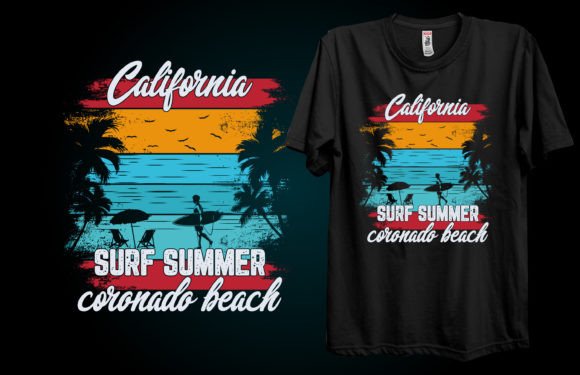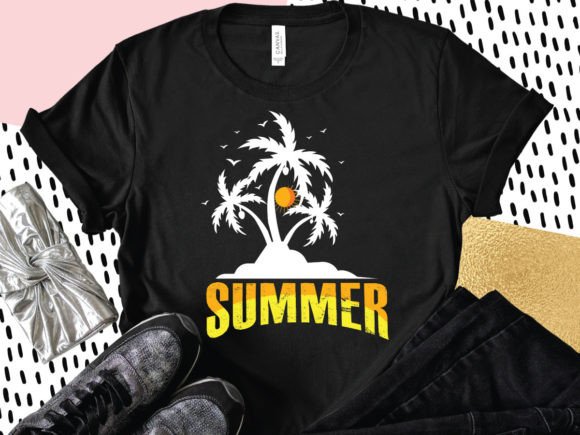
Summer T-shirt 24: A Review for Embroidery Projects
As a designer who relies on embroidery files for client work and my own small shop, I approach every new design with a practical eye. It’s not just about whether it looks good on the screen; it’s about how it will stitch out, what kind of product it will elevate, and whether it will resonate with a customer. So, let’s walk through the Summer T-shirt 24 design from that perspective.
The First Impression: Bright, Casual, and Ready for Fun
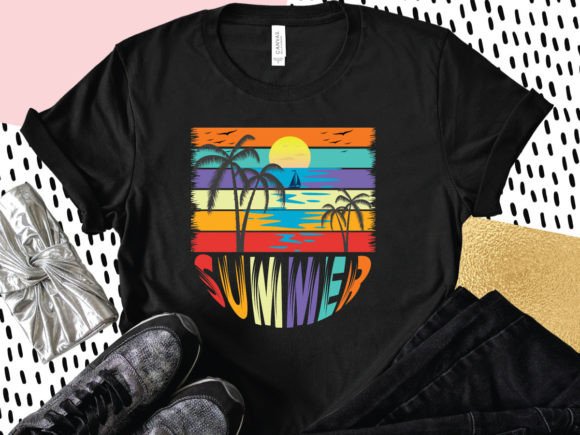
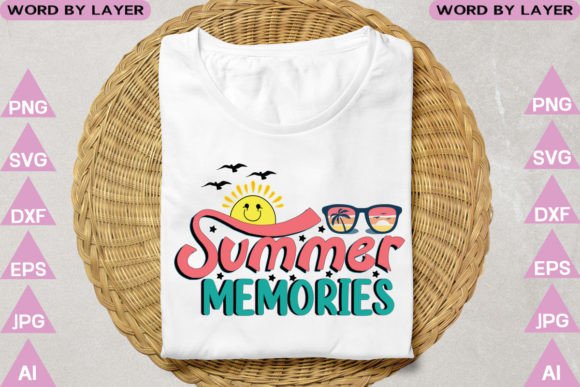
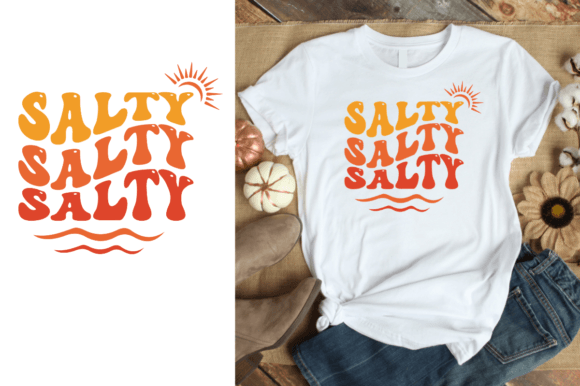
Opening the Summer T-shirt 24 file, the mood is immediately clear. It’s a bright, casual typography-focused piece that feels relaxed and celebratory. The layout and theme scream summer vibes—think pool parties, beach days, and sunny afternoons. This isn’t a formal, intricate motif; it’s a design with a visual personality meant for enjoyment. For embroidery, this means it naturally belongs to projects that are lightweight, playful, and personal. My mind goes straight to custom apparel for gifts, tote bags for a boutique, or tea towels for a kitchen refresh.
Where This Design Shines in Real Projects
In real-life embroidery situations, Summer T-shirt 24 has a specific sweet spot. Its typographic nature makes it fantastic for statement pieces. Imagine stitching this onto a high-quality cotton sweatshirt for a summer-themed boutique product. The clean, bold feel would translate well into crisp satin stitches for letters, creating a professional handmade presentation. For a craft fair, this design could be the star on a simple canvas tote bag, instantly boosting the product’s value and visual appeal.
It’s also a strong candidate for personalized gifts. Embroidered onto a baby’s sun hat or a lightweight blanket for a nursery, it becomes a charming, thematic keepsake. As an Etsy seller, using this on a set of embroidered patches could attract buyers looking to customize their own caps or jackets. The design’s clarity and friendly tone foster buyer engagement—it’s easily recognizable and feels giftable.
A Practical Scenario: Preparing a Custom Embroidered Tote
Let’s say I’m preparing a custom embroidered tote bag for a client’s beach wedding gift. I’d consider Summer T-shirt 24 for the main focal point. Its summery theme aligns perfectly with the occasion. I’d think through the stitching: on a sturdy canvas tote, the design’s stitch density would need to be balanced to prevent puckering, but the typographic style should allow for clean outlines. I’d anticipate the final product looking crisp and cheerful, exactly the mood the client wants. This kind of practical judgment—imagining the finished product on the actual item—is crucial before committing a design to a hoop.
Caution Areas: Where to Use Careful Judgment
While the design is versatile, some applications require extra thought. The level of detail, particularly in any lettering, means it might struggle on very small hoop sizes. Tiny, dense script could become blurred. On textured fabrics like certain linens or on stretchy fabric like a fitted t-shirt, careful stabilizer choice is non-optional to maintain clarity.
I’d be cautious using it on dark fabric without thoroughly testing thread color contrast. A bright design needs bright threads, and a mismatch could ruin the visual impact. Similarly, on curved surfaces like caps, the layout might need adjustment to fit the contour properly. For products destined for frequent washing, like kitchen towels, ensuring the stitch structure is robust enough to handle wear is a key consideration. These are not flaws of the design itself, but real-world constraints every embroidery designer must navigate.
How This Design Affects Your Craft Business
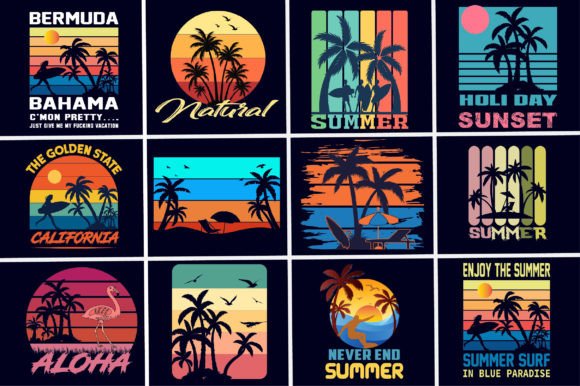
From a commercial perspective, using a design like Summer T-shirt 24 effectively can enhance customer trust and brand consistency. If your shop specializes in summer or casual goods, this file becomes a coherent design asset. Its professional stitch-out potential lends credibility to your handmade product listings. For digital product sellers offering printable mockups or bundled graphics, it contributes to a curated, usable collection.
The key is to ensure the finished embroidered product feels intentional. A well-executed version of this design on a sweatshirt or apron looks like a premium item, not a generic decoration. That directly impacts professionalism and, ultimately, sales.
Essential Designer Notes Before You Hoop It
Before I’d ever load this embroidery file for a real client project or shop item, my checklist is straightforward but vital. Always test the design on scrap fabric first, ideally the same material you plan to use. This reveals true stitch density and how small details behave.
Review the design in both black and white mockups to judge its form independently of color. Compare how it looks on light and dark fabric backgrounds in your software. Confirm the necessary hoop size by examining the design’s dimensions—this is critical for placement. Inspect any intricate corners or lettering to see if they’ll stitch cleanly.
Most importantly, check the licensing terms provided with the file. Can it be used for both personal and commercial projects? If you’re selling finished items or incorporating it into your own digital embroidery file bundles, clear licensing is the foundation of your business integrity. Never assume; always confirm.
Trusting the Process, From File to Finished Product
Evaluating Summer T-shirt 24 isn’t about finding perfection. It’s about understanding its character and matching it to the right embroidery project. It’s a design that brings a specific, joyful mood to the table. With practical testing and thoughtful application—on that custom tote, that boutique sweatshirt, or that personalized baby gift—it can transform from a digital graphic into a beloved, tangible product. That’s the real goal for any maker, crafter, or creative entrepreneur: a design that not only stitches well but also tells a story that resonates.