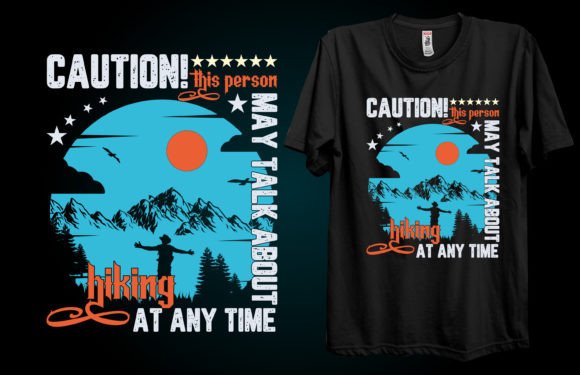
Caution: A Hiking-Focused Design for Embroidered Wearables
As a designer who stitches for both clients and my own shop, my first reaction to the "Caution This Person May Talk About" design is a smile. It’s playful, niche, and speaks directly to a community. The humor is gentle and self-aware, perfect for the outdoorsy person who knows their passion can be a bit… recurring in conversation. This isn't a generic graphic; it’s a personality badge.
Where This Design Finds Its Natural Home
The mood is lighthearted and specific. The layout, with its caution tape border and clear text, creates a visual that’s instantly recognizable as a tongue-in-cheek warning. This isn't a sprawling scenic piece; it's a statement. For embroidery, this means it naturally belongs on items where the message is a feature, not the entire scenery. My mind immediately goes to custom apparel for hikers—a well-placed design on the sleeve of a fleece jacket or the front of a sturdy cotton sweatshirt. It feels ideal for a personalized gift for a trail-loving friend, perhaps on a durable tote bag they take on every trip.
Beyond apparel, consider it for a patch. A finished embroidered patch with this design could be ironed or sewn onto a backpack, a hat, or even a picnic blanket, turning a functional item into a personalized treasure. For small business merchandise, like in an Etsy shop selling outdoorsy-themed goods, this design could elevate a simple tea towel or an apron into a witty, conversation-starting product.
Performance on Real Fabric: A Practical Look
In real-life embroidery situations, the clarity of the text and the bold border are its biggest strengths. On a sturdy cotton tote bag or a heavyweight sweatshirt, the satin stitches for the border and the fill stitches for the text should hold up beautifully, creating a crisp, professional finish that adds value to the handmade product. For baby clothes or lighter apparel, say a child’s t-shirt celebrating a hiking family, you’d want to be mindful of stitch density—ensuring it’s not too heavy for the fabric while still maintaining the design’s boldness.
The design's relatively contained size makes it versatile for many hoop sizes, but the small lettering within "may talk about hiking at any time" requires attention. On a cap or a curved surface, you’ll need to ensure your stabilizer choice and hoop technique preserve the legibility of that detail. On dark fabric, thread color contrast is crucial; a bright, high-contrast palette will make the warning pop and maintain its visual appeal.
Careful Application: Where to Proceed with Caution
This design should be used carefully on very thin or highly textured fabrics. The potential density needed for the solid areas might puckering lightweight materials. Similarly, on stretchy fabrics like certain performance t-shirts, proper stabilizer is non-negotiable to prevent distortion. The detailed corners of the caution tape border and the tiny lettering are areas to inspect closely after a test run—they need to stitch out cleanly to avoid a fuzzy, unprofessional look.
For products destined for frequent washing, like kitchen towels or everyday hats, the thread choice and stitch integrity become part of the product’s longevity, affecting customer trust. A well-executed version of this design on a durable item speaks to quality craftsmanship.
The Impact on Your Business and Your Customer
From a commercial perspective, "Caution This Person May Talk About" offers strong giftability and recognition. It taps into a specific interest, which fosters deeper buyer engagement than a generic motif. For a craft business selling at fairs or online, it helps build brand consistency if your niche is outdoorsy, humorous, or personalized gifts. The handmade presentation gains a layer of cleverness, making the product feel thoughtful rather than simply decorative.
However, its specificity is also its limitation. It won't fit every project or appeal to every customer. It’s a design for a targeted audience, which is wonderful for niche shops but requires careful selection for general boutiques.
A Designer's Practical Notes Before You Hoop
My standard advice applies strongly here: always test this embroidery file on a scrap of your target fabric first. Check the thread color contrast against both light and dark backgrounds—sometimes a design looks perfect in a digital mockup but loses clarity in actual stitches. Review the stitch density in your test; does it feel right for the fabric weight? Confirm the effective hoop size for your machine to ensure the entire design, especially the text, stitches without compromise.
I also recommend testing it in a simple black and white mockup to see how the shapes hold up without color, which informs its versatility. Use proper stabilizer for your specific fabric and project type. Crucially, before selling any finished items or using it in commercial embroidery projects, confirm the licensing terms of the design asset. The product description mentions its use for print on demand, but for machine embroidery, you must verify your rights to stitch and sell the physical product.
This "Caution This Person May Talk About" design is a fun, focused tool. It’s not a stock photo-derived graphic; its unique vector-based construction should translate into clean, scalable embroidery paths. When paired with the right project, fabric, and craftsmanship, it can create a finished product that’s engaging, personal, and professionally executed—a small, witty warning that becomes a badge of passion.