Summer Memories: A Design Review for Embroidery Projects
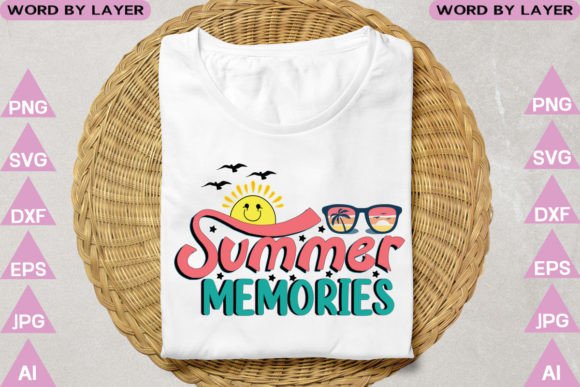
As a designer who regularly evaluates embroidery files for real-world use, I approach every new design with a practical eye. When I first opened Summer Memories, my immediate impression was one of warm nostalgia. The design evokes a quiet, sunny afternoon feeling, perfect for personalized gifts and custom apparel. Its layout suggests a central, illustrative focus, likely meant to be the star of any project.
The Mood and Personality of This Design
This isn’t a loud, graphic-heavy piece; it feels more like a gentle, illustrative statement. The theme suggests a focus on a singular creative concept, which is excellent for creating a cohesive visual on a finished product. For embroidery, this means the design’s personality will be conveyed through stitch texture and thread color rather than complex, layered graphics. It naturally belongs on items where a soft, heartfelt message is key—think baby clothes, a cozy pillow cover, or a cherished kitchen towel in a gift basket.
Real-World Embroidery Applications
Let’s picture a real scenario: you’re preparing a custom embroidered tote bag for a client’s summer-themed boutique. Summer Memories would sit beautifully as a centered motif. On a sweatshirt, it could become a focal point above the pocket. For a baby item like a blanket or romper, its likely simpler shapes would translate well into soft satin and fill stitches, avoiding overly dense areas that could make fabric stiff.
As a craft business owner, you might consider this for a line of embroidered patches or apron designs. Its single creative design nature means it’s adaptable. On a cap, provided the curves aren’t too extreme, it could work as a small side emblem. For holiday gifts or wedding gifts, embroidered onto a pillow cover or tea towel, it adds that handmade presentation that elevates a product’s value and giftability.
For your Etsy listings or craft fair products, a design like this boosts buyer engagement through its relatable theme. A clean, well-stitched version on a mockup signals professionalism and care, building customer trust. In commercial embroidery projects, such as small shop merchandise, its clear visual appeal supports brand consistency when used across a product line.
Where This Design Should Be Used With Care
My practical judgment suggests a few considerations. If the design contains any tiny lettering or intricate decorative accents, you’ll need to be cautious on small hoop sizes. Stitching on textured fabrics like some tote bag materials or stretchy fabric for certain t-shirts requires a good stabilizer strategy to preserve clarity.
On dark fabric, thread color contrast is paramount—you might need to opt for brighter threads than a digital preview suggests. For dense stitch areas, if present, thin fabric might pucker. Always test on a scrap first. Applying it to curved surfaces like caps requires checking that the design’s details aren’t lost in the seam areas. For products needing frequent washing, like apparel, ensure the stitch density isn’t so high that it compromises fabric flexibility.
Translating Digital Graphics into Stitched Reality
The leap from a digital graphic to an embroidered product is where the real design insight happens. For Summer Memories, I’d advise reviewing the stitch density in your machine embroidery software before hooping anything. How will those shapes translate into satin stitch or fill stitch? Running stitch for outlines?
Test the design in black and white mockups to judge its form without color distraction. Compare how it looks on both light and dark fabric backgrounds in your preview. This step is crucial for visual appeal and stitching clarity in the final product. The design’s value as a commercial embroidery asset or a digital embroidery file hinges on this practical testing.
Essential Notes for the Embroidery Designer
Before committing this to a client project or your own handmade product, here’s my routine checklist:
- Hoop a scrap of your target fabric—be it t-shirt material, tote bag canvas, or pillow cotton—and stitch a test run. This reveals any issues with small details or fabric behavior.
- Check thread color contrast against your final product’s fabric color. Don’t rely on the digital preview alone.
- Confirm the hoop size you intend to use can accommodate the design without forcing you to shrink it into illegibility.
- Use the proper stabilizer for your specific project; a baby embroidery on soft jersey needs a different approach than a patch on dense twill.
- Always, always confirm the licensing terms of the graphics file before selling finished items or using it in commercial embroidery. This protects your craft business and professional reputation.
Whether you’re an apparel decorator adding this to a sweatshirt or a hobbyist creating a personalized gift, the success of Summer Memories in your embroidery project depends on these realistic preparations. It has the feel of a design that, when stitched thoughtfully, can create a product full of recognition and warmth—a true summer memory rendered in thread.